The Vibrant World of Mod Culture Art: A Deep Dive into Style and Expression
- Ron The Mod
- Dec 30, 2025
- 4 min read
When I think about mod culture, my mind instantly lights up with images of sharp suits, sleek scooters, and that unmistakable buzz of youthful rebellion wrapped in style. But here’s the kicker—mod culture isn’t just about fashion or music. It’s a full-on artistic explosion! From graphic design to painting, from album covers to street art, mod culture art is the heartbeat that pumps life into this iconic movement. Let’s jump into this colorful world and explore how art shapes, defines, and keeps mod culture alive and kicking.
The Artistic Roots of Mod Culture Art
Mod culture first burst onto the scene in the late 1950s and early 1960s in London, and it was a game-changer. It wasn’t just a style; it was a statement. The art that accompanied mod culture was just as bold and fresh as the people who lived it. Think clean lines, geometric shapes, and a palette that screamed modernity—black, white, red, and electric blue.
Artists like Peter Blake, who famously designed the cover for The Beatles’ Sgt. Pepper’s Lonely Hearts Club Band, were instrumental in crafting the visual language of the era. The mod aesthetic borrowed heavily from pop art, which was all about breaking down the barriers between “high” art and everyday life. This meant that art wasn’t just something you admired in a gallery—it was everywhere, from the posters plastered on city walls to the patterns on your favorite shirt.
What really fascinates me is how mod culture art was a reflection of the times—optimistic, forward-looking, and unapologetically youthful. It was art that invited you to join the party, to be part of something fresh and exciting.

How Mod Culture Art Shapes Style and Identity
Here’s where things get juicy. Mod culture art isn’t just decoration—it’s identity. The sharp, clean visuals of mod art mirror the sharp tailoring and sleek lines of mod fashion. When you see a mod-inspired poster or album cover, you’re not just looking at art; you’re seeing a visual manifesto.
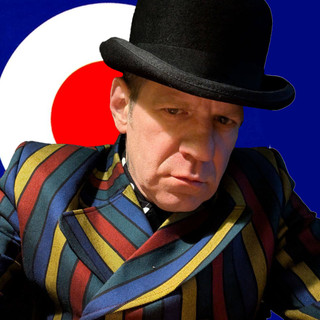
The iconic target logo, for example, is a perfect example of mod art’s power. Simple, bold, and instantly recognizable, it became a symbol of the movement’s energy and style. This kind of graphic design wasn’t just about looking cool—it was about creating a sense of belonging and pride.
If you’re a creative looking to tap into this vibe, here’s a little nugget: use bold contrasts and geometric shapes in your designs. Think circles, stripes, and checkerboards. These elements aren’t just trendy—they’re deeply rooted in mod culture’s visual DNA.
And don’t forget the colors! The classic mod palette is your best friend. Black and white for sophistication, red for energy, and blue for that dash of cool. Mix and match these with a playful attitude, and you’re halfway to capturing the mod spirit.

Does the Mod Subculture Still Exist?
Absolutely! The mod subculture didn’t just vanish after the swinging sixties. It evolved, adapted, and thrived in pockets around the world. Today, you’ll find mod enthusiasts rocking classic scooters, hunting down vintage threads, and celebrating the culture through music and art.
What’s exciting is how modern creatives are blending the old with the new. Contemporary artists and designers are reinterpreting mod aesthetics with fresh twists—think digital art meets retro patterns, or street art infused with mod motifs. This fusion keeps the culture vibrant and relevant.
If you want to dive into the scene, check out local mod events or online communities. They’re buzzing with energy and creativity, and you’ll find plenty of inspiration to fuel your own artistic journey.
The Role of Art in Building the Mod Community
Art isn’t just a backdrop for mod culture—it’s the glue that holds the community together. Whether it’s through album covers, posters, or gallery exhibitions, art creates a shared language that mod enthusiasts speak fluently.
The Mod Factory, for example, is doing something truly special by creating a physical gallery space dedicated to mod culture art. This isn’t just about selling cool items—it’s about fostering a vibrant community where stories, styles, and creativity collide.
If you’re looking to get involved, consider these tips:
Attend mod art exhibitions and events to connect with like-minded creatives.
Collaborate with artists and designers who share your passion for mod culture.
Create your own mod-inspired art and share it on social media to join the global conversation.
By embracing art as a communal experience, mod culture continues to thrive and inspire new generations.
Why Art for Mod Culture Matters Today
In a world that’s constantly changing, art for mod culture is a powerful reminder of the movement’s core values—style, innovation, and community. It’s not just nostalgia; it’s a living, breathing force that encourages us to express ourselves boldly and authentically.
Whether you’re a seasoned mod or a curious newcomer, engaging with mod culture art opens doors to creativity and connection. It challenges us to look at the world through a lens of style and substance, blending the past with the present in a way that’s uniquely mod.
So, next time you see a mod-inspired poster or hear a classic track, remember—it’s all part of a rich tapestry woven by artists and enthusiasts who believe in the power of expression. And hey, maybe it’s time to grab your paintbrush, scooter, or camera and add your own splash of color to the mod story!
Ready to dive deeper? Explore more about art for mod culture and join the movement that’s as stylish as it is timeless!


Comments